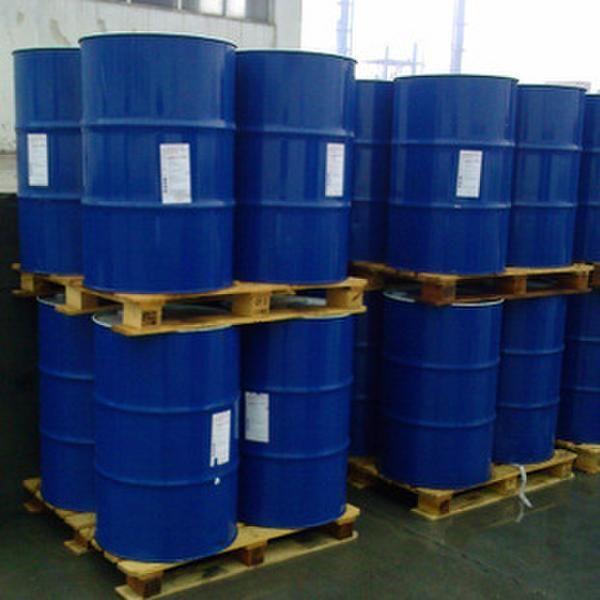
**Advancements in Green Chemistry: Ethanol to Ethyl Acetate Conversion Revolutionizes Sustainable Industrial Processes**In recent years, the push towards greener and more sustainable chemical manufacturing has driven significant innovation in the production of key industrial solvents. Among these, ethyl acetate—a versatile and widely used solvent—has garnered attention due to its broad applications ranging from coatings and adhesives to pharmaceuticals and food industries. Traditionally produced through processes involving petrochemical feedstocks, the synthesis of ethyl acetate from bio-based ethanol presents a promising environmentally friendly alternative.**Innovative Ethanol to Ethyl Acetate Conversion Technology**The conversion of ethanol to ethyl acetate marks a significant milestone in green chemistry, leveraging bioethanol derived from renewable resources such as corn, sugarcane, or cellulosic biomass. This approach not only reduces reliance on fossil fuels but also aligns with global efforts to minimize industrial carbon footprints.The process involves the catalytic oxidative dehydrogenation of ethanol, where ethanol molecules undergo selective transformation in the presence of a catalyst to form ethyl acetate and hydrogen as byproducts. This reaction pathway offers several advantages over conventional methods; it operates under milder conditions, produces fewer undesirable byproducts, and can be integrated into existing ethanol production facilities, thus optimizing resource utilization.**Environmental and Economic Benefits**Utilizing bioethanol as a feedstock for ethyl acetate production significantly contributes to circular economy principles. Since ethanol can be sourced sustainably, the entire value chain becomes more eco-friendly. The lower greenhouse gas emissions associated with bioethanol-based production help industries meet increasingly strict environmental regulations and corporate sustainability goals.On the economic side, this methodology can reduce dependence on petrochemical imports, stabilize supply chains, and potentially lower production costs, especially in regions abundant with ethanol sources. Additionally, the generation of hydrogen as a useful byproduct opens possibilities for coupling the process with hydrogen fuel applications, further enhancing the environmental benefits.**Company Introduction**At the forefront of this technological advancement is a pioneering chemical manufacturing company committed to sustainable innovation. With decades of expertise in catalysis and process engineering, the company has developed and optimized catalytic systems that enable high-yield conversion of ethanol to ethyl acetate with remarkable selectivity and efficiency.By harnessing its proprietary catalyst technology and scalable process designs, the company provides industrial partners with turnkey solutions that can be seamlessly integrated into existing production lines. Its commitment to research and development ensures continuous improvement, adapting to diverse market needs while upholding the highest environmental standards.Moreover, the company emphasizes collaboration with agricultural sectors and renewable fuel producers to secure sustainable ethanol supplies, ensuring a reliable raw material base for ethyl acetate synthesis. Through strategic partnerships and investment in green technologies, the company plays a vital role in shaping a future where industrial chemicals are produced responsibly and sustainably.**Industry Implications and Future Outlook**The successful commercialization of ethanol to ethyl acetate conversion processes signifies an important shift in the chemical industry towards renewable feedstocks and cleaner production techniques. As regulatory pressures mount and consumer demand for sustainable products grows, industries will increasingly seek such green alternatives.Furthermore, the versatility of ethyl acetate as a solvent and intermediate chemicals ensures the continuing expansion of its market. Innovations like this not only enhance environmental performance but also stimulate economic growth by fostering new business opportunities in bio-based chemical manufacturing.Looking ahead, ongoing research aims to refine catalyst compositions to improve reaction rates and selectivity further, and to expand the feedstock range to include second-generation bioethanols. Integration with renewable energy sources for process heating and the utilization of hydrogen byproducts within energy systems are promising avenues under exploration.**Conclusion**The conversion of ethanol to ethyl acetate exemplifies how sustainable chemical processes can be achieved without compromising efficiency or profitability. By embracing bio-based feedstocks and cutting-edge catalysis, the chemical industry can reduce its environmental impact and support global sustainability goals. With continued innovation and industry collaboration, this technology is poised to become a standard bearer in green chemistry, transforming traditional solvent production into a model of ecological responsibility.---This news article highlights the technological, environmental, and economic significance of ethanol to ethyl acetate conversion, incorporating a profile of the pioneering company driving this innovation. It underscores the broader impact on industry trends and the pathway towards sustainable chemical manufacturing.
Read More